
Loading...
Serving Medical Lake, WA and surrounding areas. (509) 241-9765
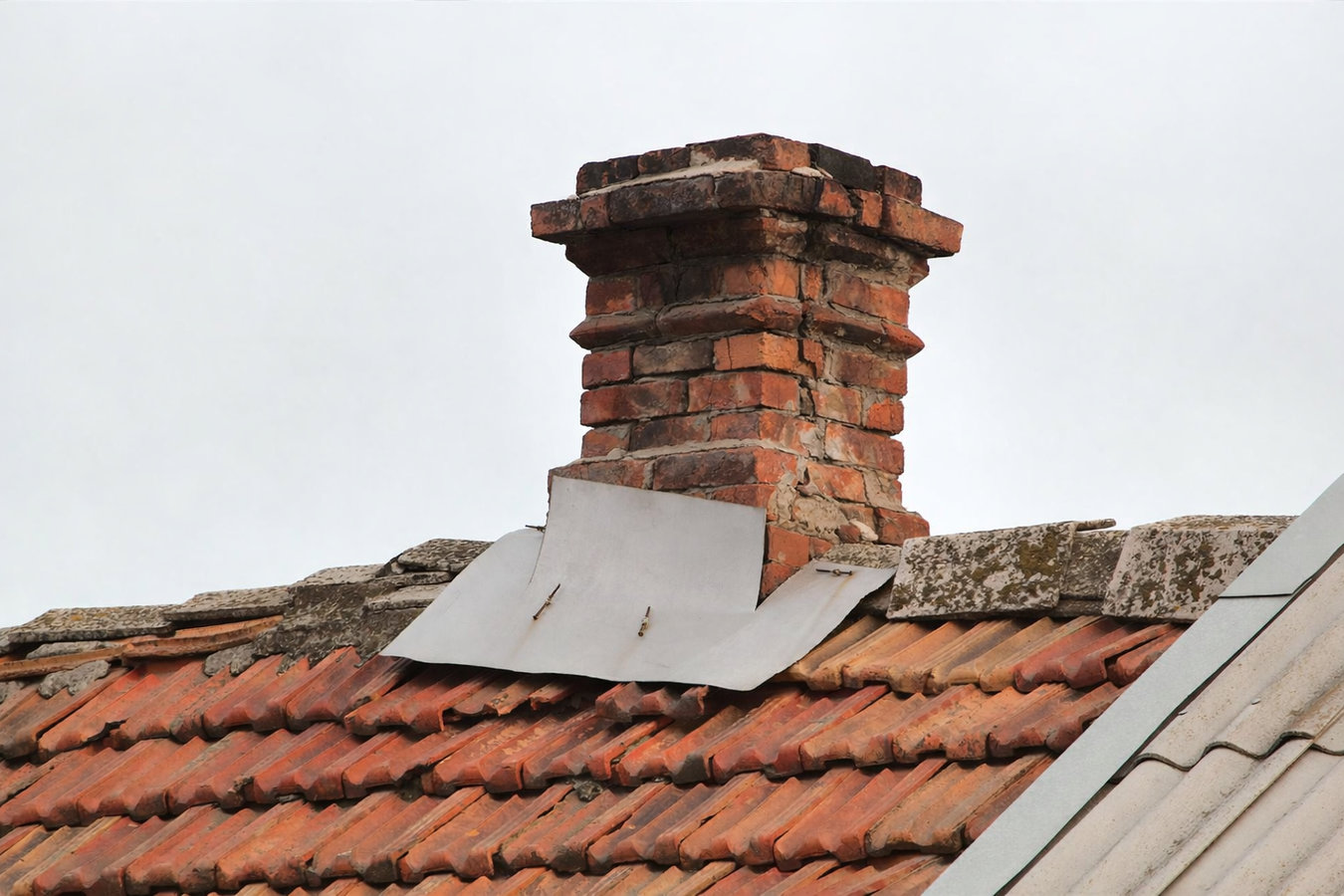
Medical Lake Concrete & Masonry is a masonry contractor serving Mead, WA with chimney repair, tuckpointing, and foundation masonry for the ranch and split-level homes throughout north Spokane County. We have been serving this area since 2018 and respond to new inquiries within 1 business day.
Mead homes built between the 1970s and 1990s - the most common era in this community - often have original clay tile liners that have now cracked from decades of freeze-thaw cycles and thermal expansion. Catching mortar deterioration and crown cracks in fall, before the Spokane-area freeze season begins, costs far less than repairing water damage that has spread into the surrounding masonry over winter. See our chimney repair service page for more.
Many ranch and split-level homes in Mead have brick or block chimneys and foundation sections with mortar that is 40 to 50 years old - well past its useful life under Spokane-area freeze-thaw conditions. Replacing those deteriorated joints before winter keeps water from finding its way in, freezing, and widening cracks into structural problems that cost far more to fix in the spring.
Mead sits on basalt bedrock with sandy loam soil that drains unevenly, and the freeze-thaw cycle hits foundations hard each winter - cracking walls, shifting footings, and widening gaps around window wells. Ranch and split-level homes in Mead commonly have crawl spaces, and spring snowmelt from the ground still frozen underneath creates moisture conditions that accelerate foundation deterioration if not caught early.
Mead properties on quarter-acre to half-acre lots typically have concrete or paver driveways that see freeze-thaw damage every winter, with cracks and heaving that worsen a little more each spring. Replacing a failed concrete driveway with pavers gives the surface the flexibility to move with seasonal temperature changes without cracking - a practical advantage in north Spokane County's climate.
Mature trees on larger Mead lots create two problems for existing walkways: root intrusion that heaves slabs, and shade that keeps concrete wet longer after rain and snowmelt - accelerating freeze-thaw cracking. A properly built masonry walkway with adequate sub-base drainage handles both issues and holds up through Mead winters far better than a simple poured slab.
Mead's long winters - with temperatures regularly dropping into the single digits during cold snaps - make a wood-burning or gas fireplace a practical addition to an older ranch home, not just an aesthetic one. Many Mead homeowners adding a fireplace or upgrading an existing one also pair it with chimney liner replacement, since liners in homes this age often need updating to meet current safety standards before a new firebox is connected.
The Spokane-area freeze-thaw cycle is the defining condition for masonry in Mead. Temperatures drop well below freezing from November through February - often into the single digits during hard cold snaps - and the area typically sees 40 to 50 inches of snow per year. That means water is working its way into mortar joints, concrete driveways, and chimney crowns every winter, freezing overnight, expanding, and chipping a little more material away each time it thaws. For homes built between the 1970s and early 2000s - the most common housing stock in Mead - the original masonry has now endured several decades of this cycle, and the damage is often visible if you know what to look for.
The soil conditions add another dimension. Mead sits on basalt bedrock with sandy loam and rocky ground that can shift unexpectedly during frost heave, and digging for footings or drainage lines often means hitting rock sooner than expected. Spring snowmelt creates a particular problem: the ground is often still frozen underneath when the surface snow starts melting, so that water has nowhere to drain - it pools against foundations and saturates crawl spaces in ranch and split-level homes throughout the area. A masonry contractor who understands these local conditions comes prepared for them rather than discovering them mid-job.
Our crew works throughout Mead regularly, and we understand the local conditions that affect masonry contractor work here. Because Mead is an unincorporated community, building permits for structural masonry work are handled through Spokane County Building and Planning rather than a city department. We pull county permits as part of every qualifying project and know what the inspection timeline looks like.
Most of Mead is reached via the Division Street and Highway 2 corridor heading north from Spokane - a route we know well. Homes here sit on quarter-acre to half-acre lots and larger, with mature trees, detached garages, and in many cases crawl space foundations that need a different approach than a poured basement. The Mead School District is the primary community identifier for most residents, and neighborhoods range from tighter subdivisions closer to the Division Street corridor to more spread-out parcels further east toward Mount Spokane State Park.
We also cover Deer Park to the north and Spokane to the south, so neighbors or family in either direction can reach us for the same work.
Call or submit a contact form and we will respond within 1 business day. We will ask a few questions about your home - age, what you have noticed, and whether you use a fireplace - so we show up ready.
We come out, walk the property with you, explain what we see in plain terms, and give you a written estimate at no charge. We will tell you up front if a Spokane County permit is required and handle that paperwork ourselves.
Masonry needs above-freezing temperatures and dry conditions to cure - we schedule around the forecast and communicate any changes promptly. Most chimney and tuckpointing jobs run one to two days; foundation work may take longer.
Before we leave, we walk through the completed work, explain what to watch for going forward, and hand you copies of any permit inspection records and warranty documentation - paperwork you can keep on file if you ever sell the home.
We serve the Mead area and respond to all inquiries within 1 business day. Free written estimates, no surprise charges.
(509) 241-9765Mead is an unincorporated community in Spokane County, sitting about 10 miles north of downtown Spokane along the Division Street and Highway 2 corridor. It is a predominantly residential area with a suburban and semi-rural character - homes on quarter-acre to half-acre lots and larger, many backed up to wooded areas or open land. The community is most closely identified with the Mead School District, one of the larger districts in eastern Washington, which covers a wide stretch of north Spokane County. Most residents are homeowners who commute south to Spokane for work and value a quieter setting with more space than the city provides.
The housing stock is dominated by ranch-style and split-level homes built between the 1970s and early 2000s - a construction era defined by crawl space foundations, attached garages, concrete driveways, and chimneys that are now at or past the point where masonry attention is warranted. Larger lots often have mature trees, and some properties include detached garages or outbuildings. The eastern edge of Mead grades into more rural land heading toward Mount Spokane State Park. We also work in Deer Park and throughout the north Spokane County area, so we are familiar with how property conditions shift as you move further from the city.
Build strong retaining walls that hold soil and prevent erosion.
Learn MoreTransform any surface with stunning natural or manufactured stone veneer.
Learn MoreConstruct solid, low-maintenance concrete block walls for any purpose.
Learn MoreBuild a reliable block wall foundation engineered for lasting support.
Learn MoreCreate the perfect outdoor cooking space with custom masonry craftsmanship.
Learn MoreAdd character and structure with professionally installed brick walls.
Learn MoreWe serve Mead and north Spokane County. Call us or get a free estimate online and we will respond within 1 business day.