
Loading...
Serving Medical Lake, WA and surrounding areas. (509) 241-9765
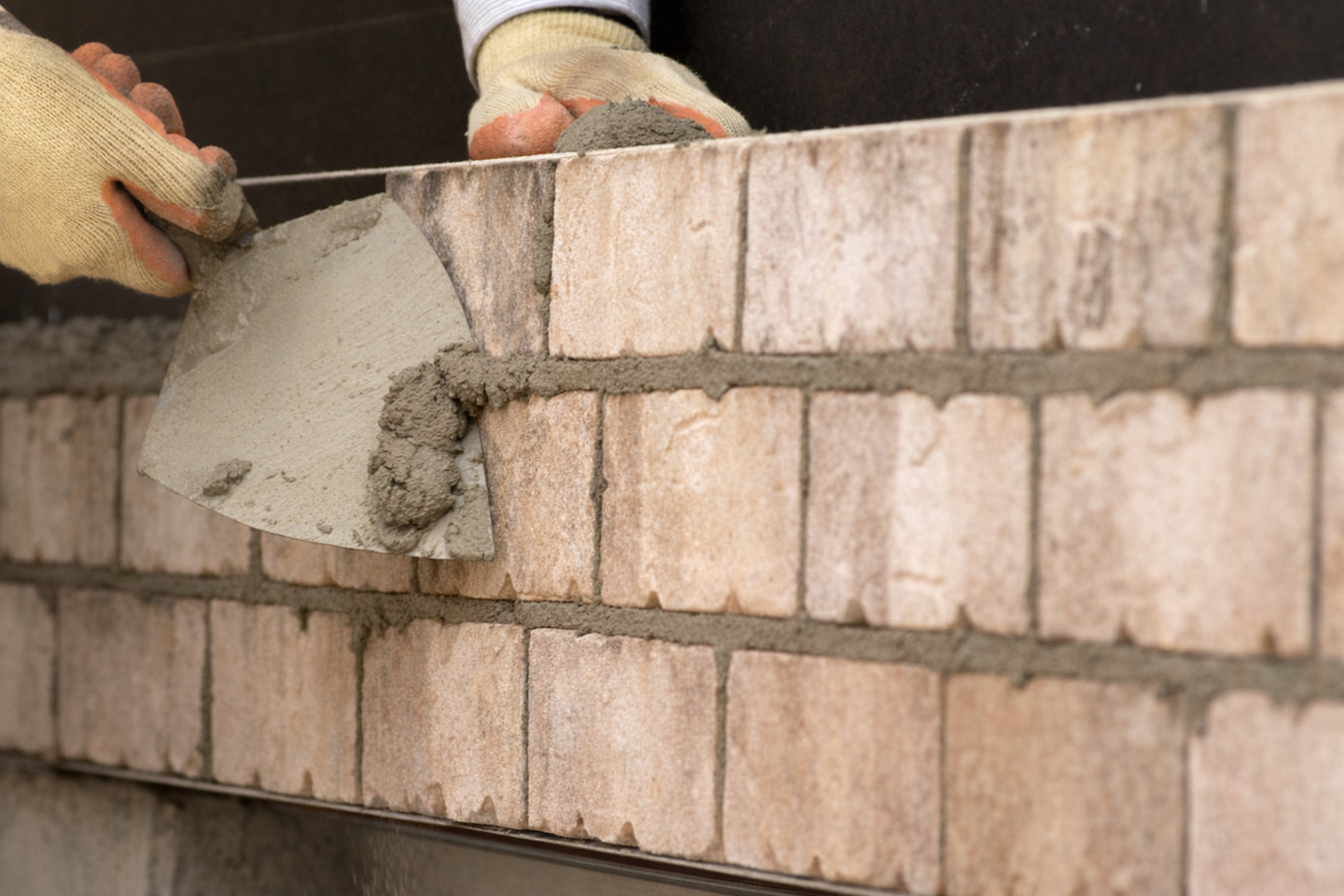
Medical Lake Concrete & Masonry serves homeowners throughout Cheney, WA with foundation repair, tuckpointing, and chimney repair. We have worked in Cheney since 2018 and respond to every inquiry within 1 business day.
Cheney's clay-bearing Palouse soils expand when wet and contract during dry summers, putting steady stress on foundation walls - especially in homes built before 1980. Our foundation repair work stabilizes cracks and reinforces walls before another freeze-thaw season widens the damage.
Many Cheney homes from the 1940s through 1970s have original mortar joints that are now well past their designed lifespan. Tuckpointing replaces failing mortar before water finds its way through the wall during Cheney's wet fall and winter months.
Cheney winters bring 40 to 50 inches of snow and repeated hard freezes that chip mortar and crack chimney crowns year after year. We repair mortar joints, replace caps, and reline flues so your chimney is safe to use before the cold season arrives.
Basement and utility block walls on older Cheney properties often show horizontal cracking from soil pressure as the clay-bearing ground shifts seasonally. We assess and repair block walls before moisture or structural movement gets further into the wall system.
Properties on the newer subdivisions at the edge of Cheney frequently have graded lots where spring snowmelt pushes soil downhill. A properly built retaining wall controls that movement and keeps your yard stable through the next wet season.
Brick veneer on Cheney homes from the mid-20th century weathers unevenly - freeze-thaw cycles cause spalling on north-facing walls first. We match original brick and mortar so repairs blend in rather than standing out as obvious patches.
Cheney sits at roughly 2,400 feet elevation on the Palouse plateau, about 16 miles southwest of Spokane. The elevation means colder winters than much of the region - temperatures that regularly drop well below freezing, 40 to 50 inches of snow per year, and a freeze-thaw cycle that runs from November through March. That cycle is the primary reason masonry fails in Cheney. Water soaks into small cracks in mortar and concrete during fall rains, then freezes overnight, expands, and pushes the crack a little wider. By spring, what looked like minor surface weathering has become something that needs real attention. The soils beneath Cheney add to this: the Palouse is known for its deep, clay-bearing soils that expand when wet and contract during the hot, dry summers, putting steady lateral pressure on foundation walls and block structures from the outside.
The housing stock in Cheney reflects the city's growth around Eastern Washington University. A large portion of homes were built between the 1940s and 1970s - a period when foundation construction methods and waterproofing standards were less durable than what is used today. Those homes now have foundations, chimneys, and mortar joints that are 60 to 80 years old and operating in one of the more demanding climates in eastern Washington. Homes in the newer subdivisions on the outskirts of Cheney - built in the 1990s through 2010s - face a different set of challenges, including concrete driveways and block retaining walls that are now reaching the end of their first service life. A masonry contractor who does not understand these two different building eras will treat them the same way, which means the repair will not hold as long as it should.
Our crew works throughout Cheney regularly, and we understand the local conditions that affect masonry work here. We pull permits through the City of Cheney's building department, and we know which types of repairs trigger permit requirements in this municipality versus repairs that can proceed without one. Cheney has a particular mix of properties that we encounter on most trips into town - older wood-frame homes near the EWU campus with brick veneer that has weathered unevenly, mid-century ranch homes with poured concrete foundations showing diagonal corner cracks from decades of soil movement, and newer owner-occupied homes on larger lots where retaining walls and driveways are the primary concern.
Cheney is a compact city, but the landscape changes noticeably between the older neighborhoods near downtown and First Street and the subdivisions out toward the city's eastern edge near Interstate 90. The soil moisture and drainage patterns are different in those two zones, which affects how we approach foundation and retaining wall work on each side of town. The Turnbull National Wildlife Refuge sits just a few miles south of Cheney, and homeowners in the quieter neighborhoods closer to that edge of the city often have larger lots where surface drainage is a more significant factor. We also regularly serve homeowners in Medical Lake, about 8 miles to the northeast, where similar freeze-thaw conditions and mid-century housing create the same patterns of masonry wear.
Reach out by phone or through the contact form and describe what you are seeing. We respond to all Cheney inquiries within 1 business day and can usually schedule an on-site visit within the same week.
We walk the job with you, show you exactly what we find, and give you a written estimate before any work begins. There is no charge for the estimate, and we will tell you honestly if the damage is something that can wait versus something that needs attention before winter.
For structural jobs, we handle all permit paperwork with the City of Cheney. We schedule the work around the weather - in Cheney, mortar and concrete repairs need temperatures above freezing and dry conditions to cure correctly, so we plan start dates accordingly.
Most residential masonry jobs in Cheney take one to three days. We do a final walkthrough with you before we leave, explain what was done and what to watch for, and leave you with copies of the warranty and any permit inspection records.
We serve homeowners throughout Cheney and respond within 1 business day. Free written estimates, no pressure.
(509) 241-9765Cheney is a city of about 12,000 residents in Spokane County, roughly 16 miles southwest of Spokane along Interstate 90. It is home to Eastern Washington University, which has been in Cheney since 1882 and shapes nearly every aspect of the city - from the rental housing market near campus to the traffic patterns on First Street. The city sits on the edge of the Palouse, a landscape of open, rolling wheat fields that gives Cheney a noticeably rural character even though Spokane is a short drive away. Downtown Cheney is compact, centered on a few commercial blocks near the campus, with residential neighborhoods spreading outward in most directions. Many of the older homes are simple ranch-style or small two-story houses built in the postwar decades - practical, owner-occupied homes that have been in families for a generation or more.
The housing stock in Cheney ranges from older mid-century homes near campus to newer subdivisions on the city's outskirts that went up in the 1990s and 2000s. A significant number of units near Eastern Washington University are rental properties that see higher turnover and sometimes deferred maintenance, while the newer neighborhoods on the east and north edges of Cheney tend to be owner-occupied family homes with larger lots. The Turnbull National Wildlife Refuge sits a few miles to the south, and several quiet residential streets on that side of town feel more rural than suburban. Nearby, Airway Heights is about 12 miles to the northeast, a growing community with its own distinct mix of military families and newer subdivisions where we also work regularly.
Build strong retaining walls that hold soil and prevent erosion.
Learn MoreTransform any surface with stunning natural or manufactured stone veneer.
Learn MoreConstruct solid, low-maintenance concrete block walls for any purpose.
Learn MoreBuild a reliable block wall foundation engineered for lasting support.
Learn MoreCreate the perfect outdoor cooking space with custom masonry craftsmanship.
Learn MoreAdd character and structure with professionally installed brick walls.
Learn MoreCheney winters are hard on brick, mortar, and concrete - a free assessment now means fewer surprises when the ground thaws in spring.